Later this summer, elections will be held to select our next volunteers for the National Association of Science Writers Board of Directors, who will serve during the 2026-2028 term.
This election will confirm four officers and fill the Board’s 11 at-large seats from a field of 13 at-large candidates. The elected Board will serve from September 2026 to October 2028. Statements for each candidate are posted below, and we will host an online meet-the-candidates and election session on August 19 at 1 PM ET / 10 AM PT. All members are invited to this meeting.
Voting is open to all current NASW members with Professional membership; voting is not open to those with Affiliate or Student membership. Voters will receive a personalized email in August 2026 with instructions and a link to the online voting proxy. You do not need to attend the special meeting to vote.
NASW thanks the 2026 Nominating Committee for their volunteer service in managing the candidate nomination process: Sandeep Ravindran (chair and outgoing president), Ashley Smart, Cassandra Willyard, Emily Sohn, Matt Shipman, Siri Carpenter, and Sujata Gupta.
Meet your 2026-2028 NASW Board candidates:
- Shraddha Chakradhar FOR PRESIDENT
- Jyoti Madhusoodanan FOR VICE PRESIDENT
- Robin Berghaus FOR SECRETARY
- Marilynn Marchione FOR TREASURER
- Audrey Huang FOR BOARD MEMBER-AT-LARGE
- Bushraa Khatib FOR BOARD MEMBER-AT-LARGE
- Debra Larson FOR BOARD MEMBER-AT-LARGE
- Jennifer Cox FOR BOARD MEMBER-AT-LARGE
- Kate Travis FOR BOARD MEMBER-AT-LARGE
- Katie Mast FOR BOARD MEMBER-AT-LARGE
- Kelly Tyrrell FOR BOARD MEMBER-AT-LARGE
- Kenna Hughes-Castleberry FOR BOARD MEMBER-AT-LARGE
- Marla Broadfoot FOR BOARD MEMBER-AT-LARGE
- Priyanka Runwal FOR BOARD MEMBER-AT-LARGE
- Rachel Zamzow FOR BOARD MEMBER-AT-LARGE
- Saugat Bolakhe FOR BOARD MEMBER-AT-LARGE
- Virginia Gewin FOR BOARD MEMBER-AT-LARGE
This list does not reflect any candidate(s) who withdrew for personal reasons after the Nominating Committee’s final selections in April 2026.
Candidates and Board members are asked to disclose current sources of science writing-related activity (including teaching, consulting, etc.) income that amounts to $10,000 or more from a single source (employment or freelance) in the past year as well as board service to organizations in the communications or journalism space. You will see these disclosures encapsulated below their statements.
Candidate for president
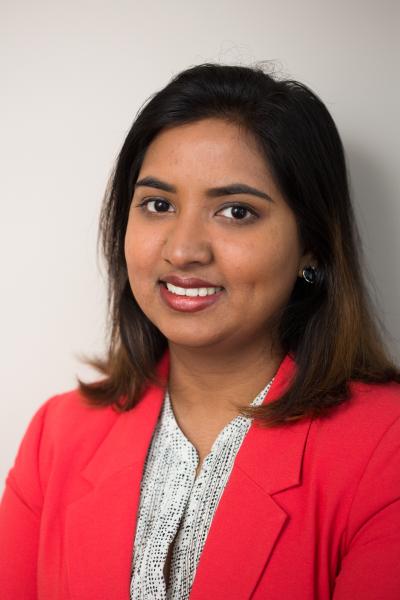
(Credit: Nitya Rao)
Shraddha Chakradhar
Freelance
She/her
I am running for president of NASW and my fourth term as a Board member to continue serving our professional community, and especially during these tumultuous times for our profession. I first got involved with NASW in 2013 as a student journalist. I was then a co-chair of the Diversity Committee for three years, during which time the committee launched the Diversity Summer Fellowship — now a regular NASW offering — as well as the Diverse Voices in Science Journalism series in partnership with The Open Notebook. I was elected to the Board in 2020 and served as Treasurer from 2022-2024. During that time, NASW self-hosted a conference for the first time — an undertaking that required careful budgeting — and also completed a strategic planning process that helped set financial goals for our organization's future.
In the past two years as Vice President, I have chaired the Programs Committee as we put together strong offerings for the November 2025 meeting in Chicago and the upcoming meeting in Corvallis, Ore. At the Chicago meeting, I facilitated NASW’s first-ever Open House to introduce our membership to the 12+ active committees that really make NASW the member-oriented organization that it is. It was also an opportunity for committees to recruit new members, which many did, and for the various groups to meet in person to discuss upcoming plans (I’m happy to report that this event will return to the 2026 annual meeting).
As President, I’m interested in ensuring the future success of NASW as an organization, especially since the nonprofit sector is also experiencing challenges. The Finance Committee has been hard at work on setting NASW up for a sustainable financial future, and I plan to work closely with the group to help with that goal. I also want to strengthen our ties with peer organizations, within science writing and across journalism more broadly. As we look to the World Conference of Science Journalists in 2027, I’m especially interested in forging stronger ties with international peer organizations. With foundational values such as press freedom, the free flow of information and respect for scientific expertise under threat everywhere, finding strength in numbers will not only provide a sense of community but also help us use our limited resources more effectively.
Over the nearly 15 years of my career, I have had the opportunity to be in positions that represent almost every type of member in the NASW community. Since attending the internship fair as a student, I have worked across media formats in institutional communications offices, print-first newsrooms and digital-only startups. I have also worn many hats, including as a reporter, editor, producer, researcher, science writing instructor and internship coordinator. And last year, I experienced a layoff — a situation that is all too familiar for so many of us — and am now navigating life as a freelance journalist. It’s this breadth of experience that I will bring to the presidency, and I look forward to the opportunity to help shape NASW’s priorities and functions for our members.
Shraddha reports earning freelance income from Science, Springer Nature and Northeastern University in the past year. She serves as a Board member and treasurer of The Open Notebook.
Candidate for vice president
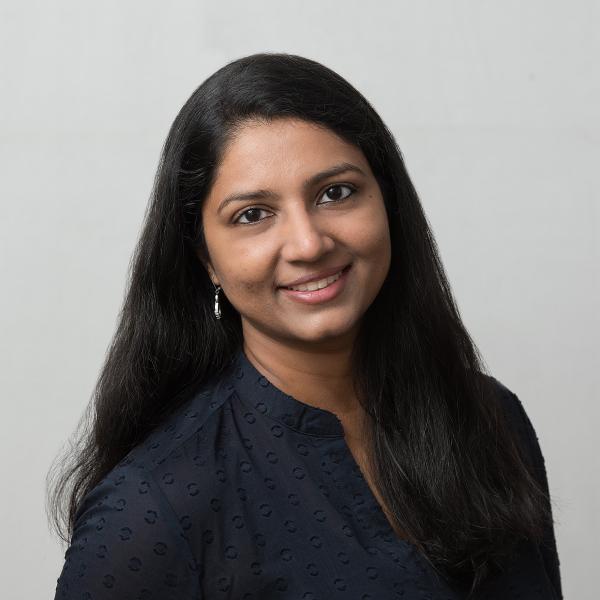
Jyoti Madhusoodanan
Association of Health Care Journalists
She/her
I’m running for NASW vice president to continue to support the organization that has been my professional home for more than a decade. I began my career working in communications for a scientific publishing company. After a degree in science journalism from UC Santa Cruz, I freelanced for more than 12 years, covering science and health for the New York Times, Scientific American, Nature, Undark magazine, and many other outlets. I currently work at the Association of Health Care Journalists as program manager for fellowships.
NASW has been a vital source of support and community throughout this time. I’m running for the Board to extend this scaffolding to others in the field. As a volunteer, I co-chaired NASW’s Awards Committee for several years, where we refreshed the awards categories and judging to better reflect NASW’s values and priorities. In 2018, my co-chair and I were honored to receive the Diane McGurgan Service Award recognizing this effort and other work. I’ve served on the NASW Board since 2020 and currently serve as the organization’s Treasurer. With the Finance Committee, I’ve worked to balance the organization’s programming and infrastructure needs when crafting budgets, and made a concerted effort to help NASW become more financially secure, both by exploring new partnerships and revenue streams and by re-examining expenses to trim costs. Last year, the Finance Committee drafted NASW’s first formal fiscal policy to help the Board make financial decisions. If elected vice president, I aim to continue finding ways to support the NASW community and help NASW grow as an organization.
Jyoti reports earning employment income from the Association of Health Care Journalists and freelance income from Undark magazine (published by MIT), Springer Nature, and the Society for Advancing Business Editing and Writing (SABEW) in the past year.
Candidate for secretary
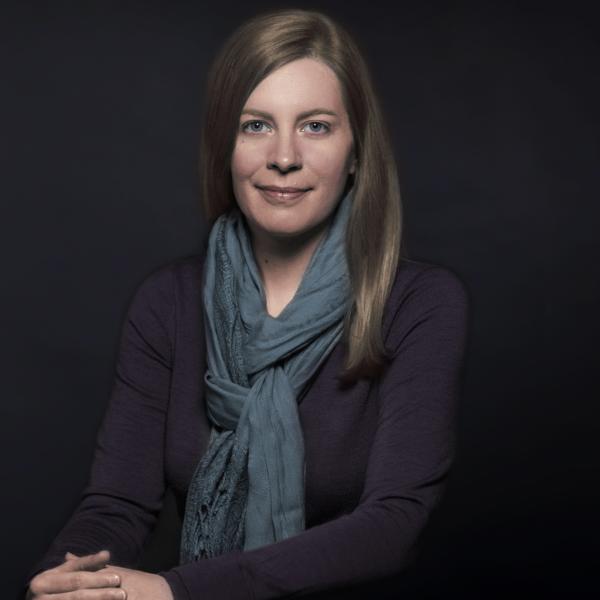
Robin Berghaus
Freelance
She/her
Since joining NASW in 2023, I have volunteered with the Freelance Committee, co-produced four Pitch Slams, served as a mentor in the David Perlman Virtual Mentoring Program, and led ongoing initiatives to update and improve visibility of freelance resources on the NASW website. Currently, I am co-developing a series to highlight recent articles, videos, podcasts and books by NASW freelancers to help build their audiences and land commissions.
With a background in science and film, I have written and produced feature articles, podcasts and documentaries on science, health, technology and policy. My projects have won awards, appeared in news outlets, broadcast on NPR stations, shown at international film festivals, on PBS, and as part of Alfred P. Sloan Foundation’s “Science on Screen.”
I received a Ferriss-UC Berkeley Psychedelic Journalism Fellowship, an opportunity that helped catalyze my freelance science writing career. If elected, I would focus on strengthening career-building programs for NASW members. For example, I would work with the Board to help find new sources of revenue to fund fellowships, awards and travel grants, while ensuring the organization’s long-term fiscal health. I am excited and eager to collaborate with members across the organization to strengthen our community.
Candidate for treasurer
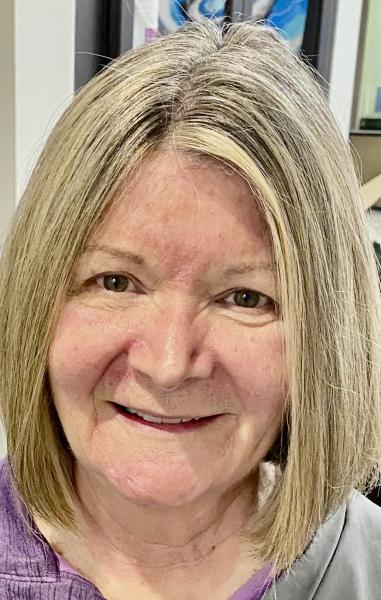
(Credit: Supplied by Marilynn Marchione)
Marilynn Marchione
The Associated Press (retired)
Helping to ensure that NASW can adapt to change and become more financially secure is my main goal in seeking to serve as treasurer. I’ve been a Board member for six years and on the Finance Committee for a little longer than that. I’m aware of the challenges facing our members and our association and I hope to work toward a better future for both.
Candidates for Board members-at-large
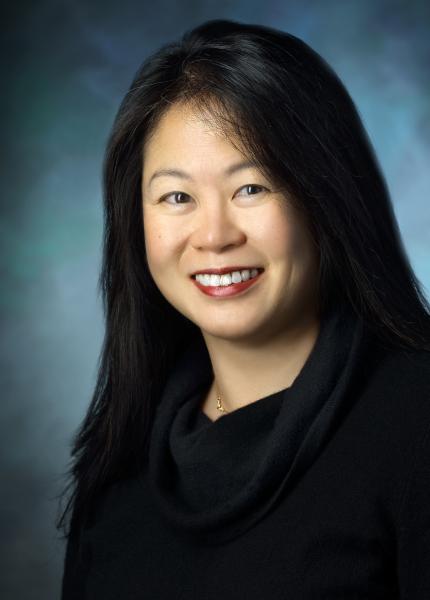
(Credit: Keith Weller for Johns Hopkins Medicine)
Audrey Huang
University of Maryland School of Medicine
She/her
I am thrilled to be considered for the NASW Board. In my 20+year membership, you, NASW, have provided me with friendship, mentorship, and the professional support, knowledge, and skills that helped me grow from a scientist into a science communicator. I left bench science because I felt a strong pull to help improve the public understanding of science. As a PIO I focused on building connections between science writers and the researchers. Since the pandemic, I have returned to the academic side with renewed focus on helping scientists better frame and communicate their work. While working as a PIO, I relied heavily on NASW for learning and support but did not have the bandwidth to give back in a way I would have liked. Now that my career has come full circle, I do have more time and the motivation to give back to the organization that has given me so much. At a time when the future of science and science communications feels so critically important, I want to do what I can to support this community and keep our field strong, connected, and evolving.
Audrey reports earning income from employment at the University of Maryland School of Medicine in the past year.
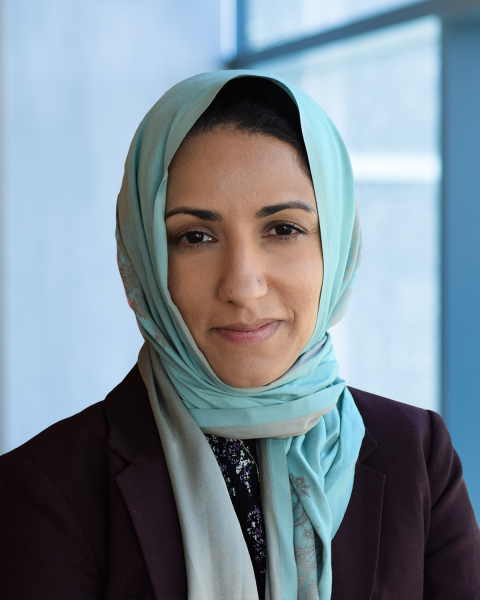
(Credit: Faisal Pawaskar)
Bushraa Khatib
Foundation Fighting Blindness
She/her
I am running for NASW Board member-at-large because I recognize that the only way for the science writing community to make it through this tumultuous time of unprecedented challenges is by supporting each other and building connections.
After my position as a writer/editor for the National Institutes of Health was eliminated last year, I connected with local science writers who were generous with their advice, time, and solidarity. I emerged from the experience newly appreciative of professional and social networks of science communicators, and recognized that NASW’s role in facilitating the same support at a national level is critical during this difficult moment for the field.
I would be honored to increase my involvement with NASW to strengthen science communicators and the bonds that will help us remain resilient. I joined NASW in 2020, and served on the Programs Committee to help organize ScienceWriters2024. I am excited to co-convene a panel discussion about science writing opportunities outside of the U.S. as part of ScienceWriters2026. I volunteered as senior editor for the Johns Hopkins Science Writing Program’s alumni magazine and led in-person networking for the program in partnership with the D.C. Science Writing Association.
I am a fierce, vocal advocate for the value of clear, accessible science communication. If elected as a Board member, I would bring 15 years of experience working for large non-profit, public health, and research organizations to the Institutional Communicators Committee. I currently serve as Director of Science Communications for the Foundation Fighting Blindness, a non-profit that drives research into treatments for inherited blinding diseases. I have worked for the National Institutes of Health, Truth Initiative, A.J. Drexel Autism Institute, and the American Physical Society. Because I began my career with a science writing internship, I recognize the value of internships and mentorship and will advocate for meaningful opportunities for science writers, especially those new to the field.
I earned a master's degree in science writing from Johns Hopkins University and dual bachelor’s degrees in biochemistry & molecular biology and English literature from the University of Maryland, Baltimore County. I also work as a freelance science writer in the Baltimore/Washington area.
Bushraa reports earning employment income from the Foundation Fighting Blindness and freelance income from Truth Initiative in the past year.
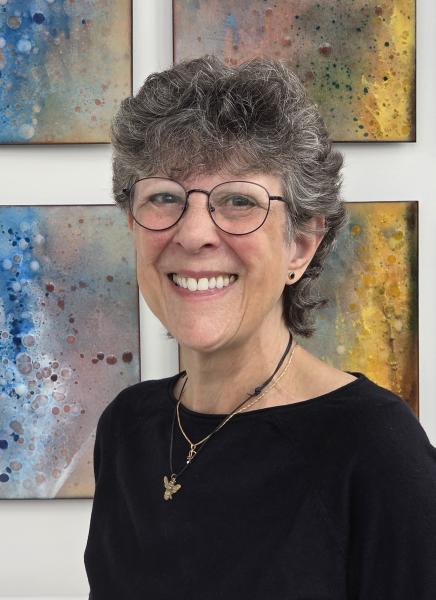
(Credit: T.H. Larson)
Debra Larson
University of Illinois Urbana-Champaign
She/her
Science writing has consequences. Getting it right can lead to someone making corrections in their diet that improve their health or to an elected official signing new legislation to improve the environment in their jurisdiction.
I got my first taste of writing stories and creating educational videos that could help general audiences understand science when I was a freelancer. Since 1999, I have been a PIO for the University of Illinois Urbana-Champaign, where I write stories about student experiences and alumni doing great things, but it is the work I do to communicate science to non-scientists that I believe is the most important.
One story I wrote in the early 2000s changed my own life.
It was about a study conducted by Reed Larson (no relation), a researcher in human and family development at U of I. He paged subjects at random times of the day asking them to report how they felt and learned that single mothers of teens reported being happy between 4 and 6 p.m., while married mothers of teens reported being frustrated. He called it the 6 o’clock crash — the time of day when mothers everywhere are being asked the innocent question “What’s for dinner?” I told my husband, who actually enjoys cooking, “This is me!” Ever since, he’s been in charge of meals and I feel great between 4 and 6 p.m. everyday.
My first job as a PIO was sharing science to help people understand what invasive species can do to the health of our Great Lakes. Next, in the College of Agriculture, Consumer and Environmental Sciences, I worked on a team of writers, reporting on a wide variety of topics of interest to the farming community and general public.
In 2018, I moved from earth to sky, so to speak, and remain the sole content creator for the Department of Aerospace Engineering at Illinois. It’s both a challenge and an honor to help researchers share what they’ve learned in words that people can understand — people like me who are curious about science but never took advanced physics and calculus in high school.
I have been a member of NASW since it welcomed PIO in the 2000s. Over the years, I have participated in the online forums and had the opportunity to attend annual meetings in Austin, San Antonio, State College, and New Haven. There’s something electrifying about being in a room filled with people who have the same professional interest. I remember coming back from the meeting in Texas and creating the first Twitter account for the College of ACES, inspired by a session I attended.
I would like to serve on the NASW Board to help all of us as we communicate science using language that is understandable, educational, and enlightening. I believe what we do can spark real change. I’ve seen it happen in my own life when I experienced a scientific journal article, that may never have seen the light of day outside of academia, make mealtimes at my house deliciously calmer.
Debra reports earning employment income from the Department of Aerospace Engineering at the University of Illinois Urbana-Champaign in the past year.
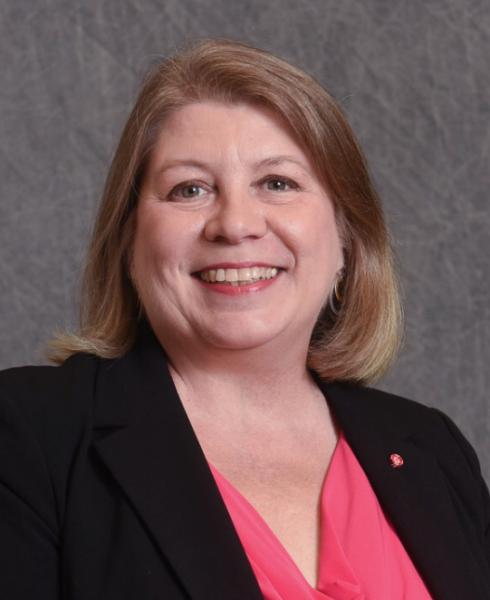
(Credit: Becky Kirkland, NC State University)
Jennifer Cox
Freelance
She/her
In 2010 I joined NASW, attended my first ScienceWriters annual meeting and truly found my people. I’ve been hooked ever since. I have served on the Program Committee for the last 10 years and served as a judge for the 2019 Excellence in Institutional Writing Awards. I served on the NASW Board for the 2019-2020 half term. In 2017 I served as the Communications Committee chair for the 10th World Conference of Science Journalists in San Francisco and received NASW’s Diane McGurgan Service Award. It is an honor I will always cherish. This year I joined the Finance Committee and am learning so much about how NASW finances work.
I joined the Science Communicators of North Carolina (SCONC) Board in 2007 and treasure the friendships and community that SCONC offers as a regional organization. I recently stepped down as treasurer after six years, which included helping SCONC transition to a non-profit, tax-exempt 501(c)(3) organization. I continue to serve on the SCONC Board. I’ve also served on the planning committees for both the ScienceWriters2012 and the ScienceWriters2024 annual meetings held in Raleigh and as a co-organizer for SCONC’s two successful NASW Peggy Girshman Idea Grants.
I retired as the director of Engineering Communications at NC State University in 2018 after I was diagnosed with multiple sclerosis and now volunteer as an MS support group co-leader helping people with MS and other disabilities navigate the not-so-ADA-compliant world. I am currently writing a creative nonfiction book about successful STEAM women and underrepresented minorities for middle school children. My life has given me a healthy dose of empathy, a love of diversity among humans and in Mother Nature and a unique perspective on life. Over the years I’ve learned how to find and build community in almost any situation with almost any group. I genuinely love helping people and celebrating the success of fellow science communicators.
NASW has been my broader science writing family for 16 years, and I want to bring my wide-ranging background and knowledge, my fierce support for diversity and equality, and my can-do heart to help NASW grow and continue to be a welcoming and safe space for all who love to communicate science. I believe I have the skill set to help the NASW Board navigate these swiftly changing and challenging times and emerge as a stronger, more vibrant community that not only welcomes all science writing professionals and students but also provides critical resources to help members achieve their professional goals. It would be an honor to serve on the NASW Board.
Jenny serves on the Board of Directors of Science Communicators of North Carolina.
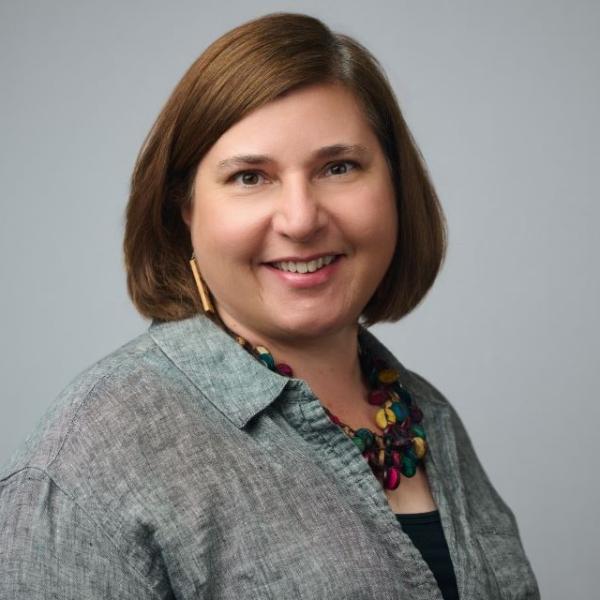
Kate Travis
Retraction Watch
She/her
I am running for the NASW Board to give back to an organization that has served as a hub for professional growth, a support network, and so much more throughout my career. I would love to be a part of ensuring NASW can be all that and more for current and future members.
I’m in my fourth year on the Awards Committee, serving as the coordinator of the Science in Society Awards. That role has illustrated just how powerful science stories can be, and across so many outlets and disciplines. It has been a joy to honor excellent science writing, and to work directly with the scores of volunteer screeners and judges who make NASW’s awards program possible.
Beyond NASW, I’m a member of the Online News Association and an active participant in the News Product Alliance community, both of which mean I bring a broad perspective to all that goes into being a journalist. I was also on a planning committee that launched the DEI Coalition For Anti-Racist, Equitable, And Just Newsrooms, whose core values remain important to me.
A career editor and journalist, I have been a member of NASW for more than 25 years, since I was a graduate student in science journalism. Before joining Retraction Watch as its managing editor in 2025, I worked with the Council for the Advancement of Science Writing to develop an online library of science writing resources called CASW Connector. I also worked at Science News magazine for more than a decade, most recently as its digital director; as an editor for Science’s careers website; and as news editor at the Journal of the National Cancer Institute. I have managed staff and freelancers, as well as projects and products.
As an NASW Board member, I would work to support members as we navigate challenging times for science and for journalism. I would like to support NASW’s mentorship programs, which have been central to the organization and have launched so many careers. And I’d like to understand the role NASW plays in people’s lives and help ensure the organization can continue to do so and adapt as necessary.
Kate reports earning employment income from the Center for Scientific Integrity, the parent nonprofit of Retraction Watch, in the past year.
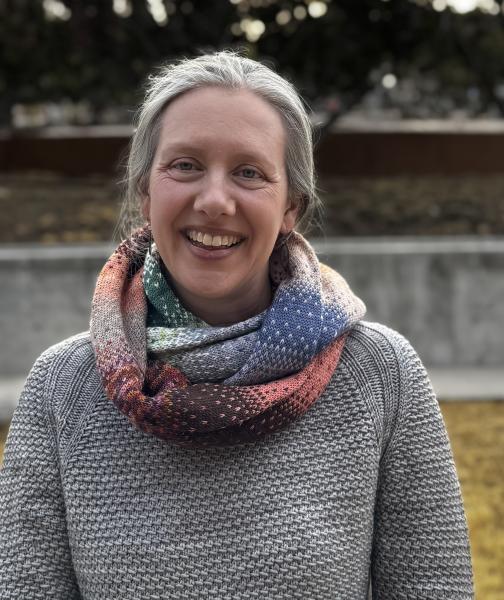
(Credit:SiennaLatham)
Katie Mast
Santa Fe Institute
She/her
For the past twelve years, NASW has been a central part of my professional life. This generous and welcoming community offered me a foundation as I moved from editorial intern at High Country News to freelancer learning to balance magazine writing and fact-checking with nonprofit communications while avoiding conflicts of interest. In 2022, when I moved into a staff role on the communications team at the Santa Fe Institute — a team I now lead — I looked again to NASW for resources.
I joined the NASW Board two years ago with a desire to give back to this community that has provided so much to me and others, to support its continued vibrancy, and to meet the needs of its members in their varied professional roles. It has been an unexpectedly challenging few years, and this Board has spent significant energy responding to the many and severe threats to science and journalism, all amid economic and political uncertainty and a bewildering pace of technological changes.
When I first joined the Board, I wanted in particular to help meet the changing needs of our members who work for universities, agencies, and other institutions. It’s been a pleasure to help support the Institutional Communicators Committee, whose creative and thoughtful offerings have met a felt need well beyond NASW membership.
I’m running for a second term to continue supporting NASW’s mentorship of new science writers and resource-building for all our members. As our world and profession face uncertainty and rapid changes, I’m committed to this community with its dedication to accuracy and excellence.
Katie reports earning employment income from the Santa Fe Institute in the past year.
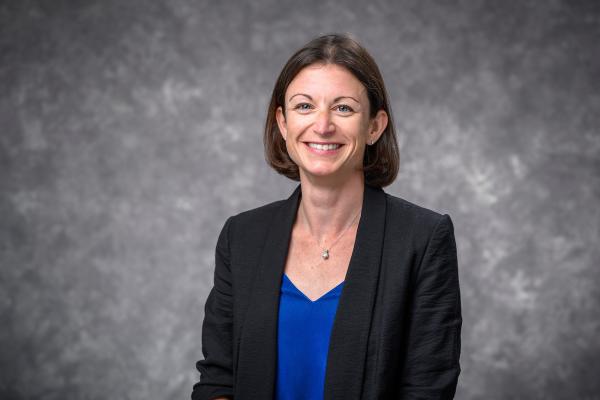
(Credit: Althea Dotzour, UW–Madison)
Kelly Tyrrell
University of Wisconsin–Madison
She/her
It's not an understatement to say that we are living through a time of significant challenge, from government attempts to censor the free flow of scientific information to the social effects of extreme political polarization. Society is rife with misinformation and disinformation, augmented by media fragmentation and the financial interests that incentivize it, and we cannot yet know what the future holds in a world where AI is ubiquitous.
This is why I also think we need a strong and robust organization of science communication professionals more than ever and why I firmly believe that the National Association of Science Writers is that organization. I have, since becoming a science writer in 2013, relied on NASW to provide crucial grounding in the values of a professional life as a science communicator, and to help equip me with needed skills and community, especially as I navigated career transitions from scientist to staff journalist to freelancer to institutional communicator. I have also found so much opportunity as a member of the organization to give back, and to be an active contributor to creating the community and professional resources that I have so valued and that are so very needed by professionals at all stages of their careers, and from all backgrounds.
I first stepped into meaningful volunteerism with the organization in 2014 when I co-led NASW's social media outreach for the World Conference of Science Journalists and have since worn many other hats: serving on and volunteering for multiple committees (Diversity, Institutional Communicators — formerly PIO, Education), winning and also judging the Excellence in Institutional Writing Awards, organizing and participating in annual meeting sessions, and as a Board member since 2022, where I have had the privilege to co-organize member-only and public events, participate in organizational strategic planning, and to help advocate for the organization I believe in to help it stay strong.
In my role at the university, I am steeped in the issues that pose particular threats to science and how it's communicated, and as a member of the team at The Open Notebook, I have a vested interest in supporting science journalism and those who do it. I hope to be able to continue giving back to NASW, and everyone it represents, as a member of the Board.
Kelly reports earning employment income from the University of Wisconsin–Madison and The Open Notebook in the past year.
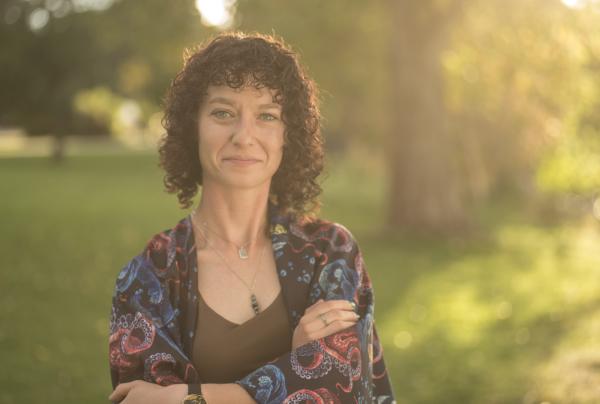
(Credit: Courtesy of Kenneth Wajda)
Kenna Hughes-Castleberry
Live Science
She/her
NASW is at its strongest when it connects science writers across roles, regions, career stages, and life phases. I’m running for the Board to help build on that work by expanding access to helpful resources, professional support, and community across the nation.
My career spans many facets of science writing: the PIO at JILA, a staff writer and content manager for Live Science, and a freelancer for publications such as National Geographic, Science Friday, Scientific American, New Scientist, Discover, Ars Technica, Nature Biotechnology, Astronomy, and more. My first book, "Octopus X: How a Discovery Changed What We Know About a Species," will be published by Princeton University Press in spring 2027.
That range has given me a clear understanding of the pressures facing PIOs, staff writers, editors, and freelancers alike: tight deadlines, limited resources, shifting media landscapes, AI-related threats, layoffs, and the need to protect accuracy, trust, and fair working conditions. It has also shown me how essential community is to sustaining this work. Science writers do their best work when they are supported not only by good tools and training but also by a community that understands the realities of the work.
That belief has also driven my service to these same communities. As a Board member for SWARM (the Science Writers Association of the Rocky Mountains) for four years, and as an ambassador for the Denver chapter of the Authors Guild, I’ve worked to help writers build connections, find resources, try new opportunities, and plug into their local communities. Regional and local communities can be powerful gateways into national organizations like NASW, and I would like to help strengthen those connections so more writers feel seen, welcomed, and supported.
If elected, I would bring energy, empathy, and a cross-disciplinary perspective to the Board. I want to support NASW’s ongoing work while helping expand practical resources, mentorship, and community-building opportunities for writers in every corner of the country. Science writing is stronger when PIOs, journalists, editors, freelancers, staff writers, and communicators can learn from one another. I would be honored to help NASW continue building that kind of inclusive, generous, and resilient professional home.
Kenna reports earning employment income from Live Science and freelance book income from Princeton University Press in the past year. Kenna serves as a Board member of SWARM (Science Writers Association of the Rocky Mountains) as an Ambassador for the Denver Chapter of the Author's Guild.
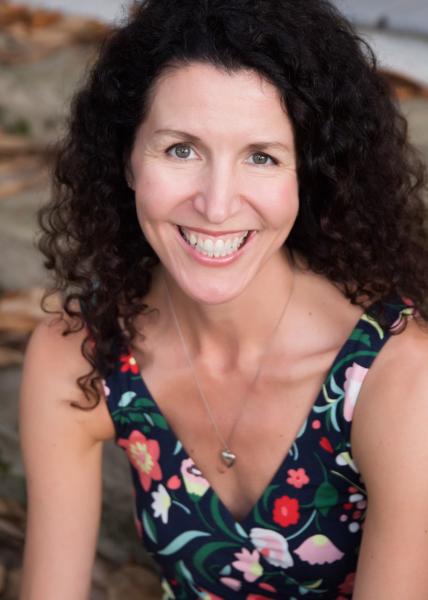
(Credit: Season Moore)
Marla Broadfoot
Freelance
She/her
I’m running for a third term on the NASW Board because I remain deeply committed to helping shape and support this vital organization during a period of significant change for science journalism and communication.
Since joining NASW in 2001, I’ve served on committees, organized ScienceWriters workshops, mentored early-career science writers, and worked to strengthen connections across our profession. During my time on the Board, I have helped develop virtual programming in response to changes in the journalism industry, moderated discussions on mental health and self-care for journalists, and contributed to membership and governance initiatives as NASW has continued to evolve. Beyond NASW, I served as president of the Science Communicators of North Carolina (SCONC) and co-founded the SciWriCongress, a network of regional science writing and communication groups that has fostered collaboration and information-sharing since 2018. These experiences have reinforced my belief that partnerships make organizations stronger.
This past year, I represented NASW as a voting delegate at the World Conference of Science Journalists in South Africa, where I engaged with colleagues from around the world on the challenges and opportunities facing science journalism. I also moderated a session on science communication ethics in partnership with the Science Writers and Communicators of Canada.
If re-elected, I hope to continue expanding opportunities for collaboration with partner organizations in the United States and abroad, including groups such as the Association of Health Care Journalists and the Association of British Science Writers. Whether through joint programming, professional development, networking opportunities, or shared member services, I believe these partnerships can help strengthen our profession and better support science writers and communicators.
At a time when many members are navigating economic uncertainty, technological disruption, and growing challenges to public trust in science and journalism, NASW has an important role to play as a source of community, professional support, and advocacy. I would be honored to continue serving on the Board and working with fellow members to ensure that NASW remains a vibrant, welcoming, and forward-looking organization for years to come.
Marla reports earning freelance income from Scientific American/Nature, Burroughs Wellcome Fund, Mayo Clinic, and the National Institutes of Health. Marla serves on the Board of Directors of Science Communicators of North Carolina.
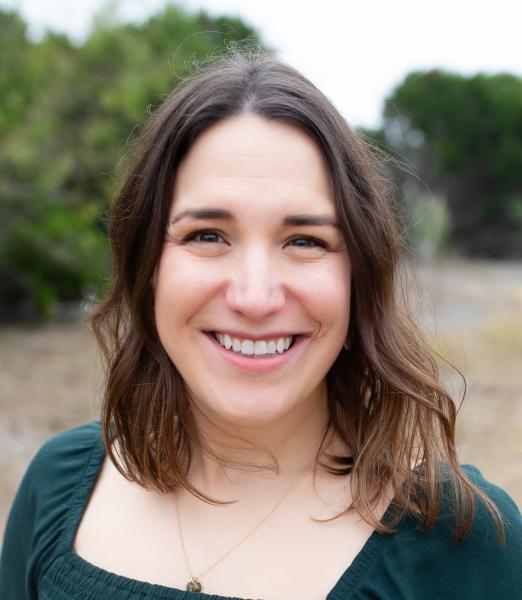
(Credit: Holly Perez)
Rachel Zamzow
The Open Notebook
She/her
NASW has consistently been a warm, welcoming space for me since I transitioned from academic research to science journalism in 2014. In fact, after completing a AAAS Mass Media Fellowship, one of the first steps I took to cement my new career trajectory was to join NASW.
I’m running for the NASW Board to help foster the same environment I encountered when I joined the organization more than 10 years ago. I’m the deputy executive director of The Open Notebook (TON), a nonprofit organization supporting the global community journalists who cover science. My current role involves overseeing TON’s daily operations, including editorial, personnel, and program management, fundraising, and strategic planning. In addition to my work for TON, I cover neuroscience and the inner workings of scientific communities for outlets including Science, Science News, The Transmitter, and others.
I’ve also held several volunteer positions in science writing, some formal and others informal, including many Zoom calls with budding science journalists looking for advice. In 2022, I served as a mentor in the inaugural NASW Mid-Career Mentoring Program, and I served as a mentor in the TON-AAAS Mass Media Fellowship follow-on mentorship program from 2020 through 2024. I now run TON’s involvement in that program. I also served as a volunteer for the NASW Awards Committee in 2024 and 2025.
My work at TON and my volunteer experience give me a nuanced understanding of the challenges facing our field today. We need empowered, thriving journalists across all beats who are adept at covering science now, more than ever. And NASW is an invaluable part of supporting this community. I’d love to deepen my work in this space by volunteering my time as an NASW Board member.
Rachel reports earning employment income from The Open Notebook in the past year.
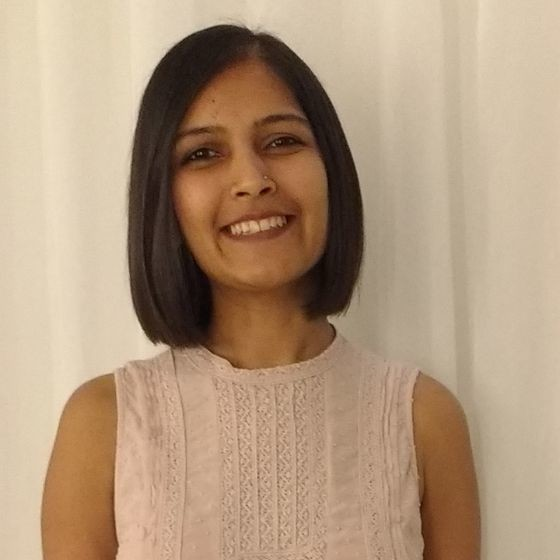
(Credit: Priyanka Runwal)
Priyanka Runwal
Freelance
She/her
I joined NASW's Board in 2024, and I'm seeking a second term to continue paying forward the support I've received from the organization and its members since I started my career in 2019. After graduating from the UC Santa Cruz Science Communication program, I’ve worked as a freelance and staff reporter. In this journey, NASW has been integral to my professional development. By attending and leading SciWri sessions, virtual round tables, and workshops, I've learned so much more about our craft. And continued interactions with the NASW community at-large have helped me think deeper about the future of our field. As many of us navigate serious uncertainties in the current media landscape, I'm committed to advocating for our profession and centering the voices of our members. I remain keen to shape NASW's tireless efforts tackling the challenges and state of our industry.
During my first Board term, I've served on the Finance Committee and helped draft NASW's fiscal policy. As the Board's liaison to the Diversity Committee, I've assisted in running the NASW Diversity Summer Fellowship. I've co-moderated a roundtable on reporting in challenging free speech environments. And more recently, I've worked with my colleague to launch the Upskilling Series--a six-part program aimed at helping NASW members build their multimedia skillset. In my second term, I'm hoping to focus on aspects including fostering an inclusive science writing community, navigating newsroom reorganizations and job losses, career transitions, and seeking employment and freelance work in an increasingly tough market.
A little about me: I'm an award-winning science, environment, and health journalist from India based in New York City. After nearly three years as a reporter at Chemical & Engineering News, I’m back on the job market. I’ve freelanced for the New York Times, Scientific American, and National Geographic. I’ve covered the COVID-19 pandemic and other health and medicine stories as National Geographic’s resident reporter.
Priyanka reports previous employment income from C&EN in the past year. Priyanka serves on The Xylom's Advisory Board.
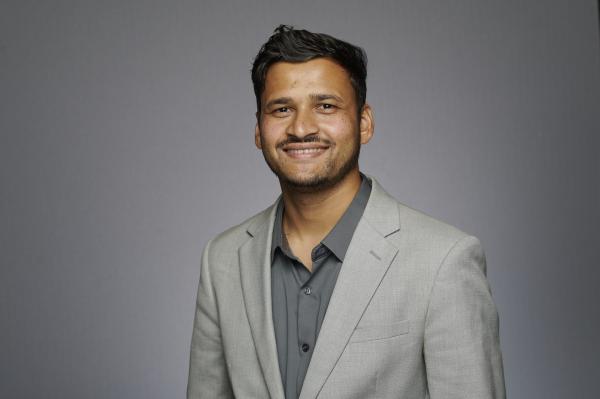
Saugat Bolakhe
The Open Notebook, freelance
He/him
From attending my first virtual conference as a student member in 2020 while getting a discounted $25 fee waived because I couldn’t figure out how to pay from a small town in central Nepal to now regularly writing for major science magazines in the U.S. and beyond while based in New York, my whole journey has been shaped by a strong sense of community from the NASW. I’ve served twice as a welcome coordinator for ScienceWriters conferences.
These experiences are something I want to pay forward by expanding international support and community-building efforts. In my role as a program manager at The Open Notebook, I already work in this area to some extent, helping hundreds of early-career science journalists from all over the world find support, mentorship, and community. I also continue this informally when I visit Nepal, through on-site mentoring and conversations with emerging writers.
Beyond that, I’d love to deepen this work further for new and aspiring NASW members. Even though, under the current administration, the number of international students admitted this academic year remains record low, I see that as an opportunity to rethink how we support participation. I’d be excited to brainstorm ways to strengthen support for current members and explore how NASW’s reach could extend more meaningfully beyond US borders.
Saugat reports earning freelance income from Springer Nature, The Open Notebook, and the UC Berkeley-Ferris Psychedelics Reporting Fellowship in the past year.
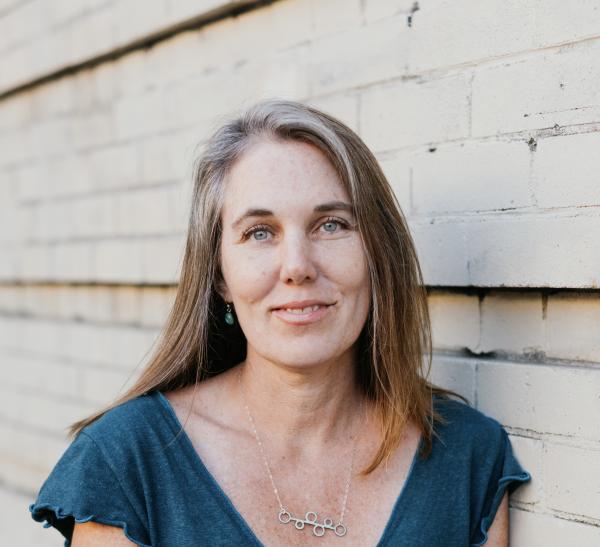
(Credit: Shelby Brakken)
Virginia Gewin
Freelance
She/her
As a freelance science journalist for 23 years, I have navigated this field’s many ups and downs. The last few years have been rockier than most, due to outlet closures and layoffs. As chair of the NASW Freelance Committee (Freecom), I’ve helped put together programming to garner more recognition and opportunities for freelancers. Together with Sarah Scoles (and more recently, Robin Berghaus) I have helped organize the annual NASW Pitch Slam for the last six years. In the last year, I organized two guest webinars with a variety of editors from large as well as niche publications to connect writers to opportunities, part of the monthly Bizchat/Skillschat series spearheaded by Freecom members, Jennifer Huber and Ellen Kuwana. Currently, I am organizing a soon-to-be-unveiled effort to spotlight individual NASW members’ beats, recent clips, and geographic locations in a bid to increase the writers’ profiles and facilitate connections. I am also currently a Board member of the Northwest Science Writers Association for over two years, and a long-time member of the Society of Environmental Journalists.
If elected to the Board, I will continue to explore new ways to support our members, particularly freelancers who are struggling amid this increasingly volatile landscape. One of my goals is to raise more awareness about the critical need for journalism funding, especially related to climate, public health, and equity.
Based in Portland, Ore., I write about climate, agriculture, public health, and biodiversity for a variety of outlets including Nature, Science, Popular Science, Bloomberg, Civil Eats, and others. I have been fortunate to secure fellowships from the Alicia Patterson Foundation, MIT Knight Science Journalism program, USC Annenberg School of Journalism, and the Nova Institute for Health. Those fellowships, and other grants, have been key to the kind of immersive field reporting necessary to write high-impact stories. One of my goals is to call attention to the need for more sources of support, especially for freelance journalists.
Virginia serves as a Board member of the Northwest Science Writers Association and reports earning freelance income from Springer Nature.