
Some scientists say they need to create better ways than p-values to explain their methodologies.
Mar. 2, 2022Event coverage
Coverage begins in 2006 for the ScienceWriters meeting and 2009 for the AAAS meeting. To see programs for past ScienceWriters meetings, go to the ScienceWriters meeting site.

Anthropologists push for policy changes to undo the erasure of the “invisible” dead
A movement is growing to atone for the erasures of mass human deaths during massacres, wars and other events whose true toll is only now being unearthed by forensic and anthropological studies of burial sites.

As wildfire concerns grow, farm workers remain vulnerable
Both on and off the farm, the people who bear disproportionate health and economic risk from exposure to the blazes are undocumented immigrants.

Emerging technology can reduce CO2 emissions from air cooling systems, experts say
Scientists have been working to develop cost-effective technologies that reduce CO2 emissions.
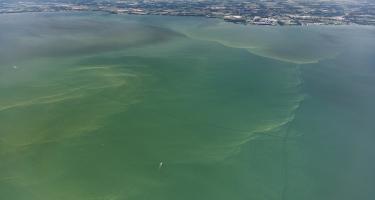
Bloom boom: Emerging human health risks from a changing aquatic climate
While many are familiar with climate change’s impact on marine ecosystems, new research is showing how phenomena like harmful algal blooms bring profound risks to human health, as well.

Aquatic health flows into human health
Climate change and other human impacts on aquatic ecosystems also accelerate health risks for those living near rivers, lakes and marine coastal areas.

Humans partner with machines to help save endangered animals
In 2016, hundreds of volunteers in Kenya – school kids, park rangers, scientists, and tourists – took part in a two-day event called Great Grevy's Rally to help save the endangered Grevy’s Zebra.

The ocean connection: Researchers show how human health is linked to ocean health
Health care practitioners, researchers, policymakers, and the public are banding together to study the ocean connection to public health and find ways to address and mitigate these emerging risks.
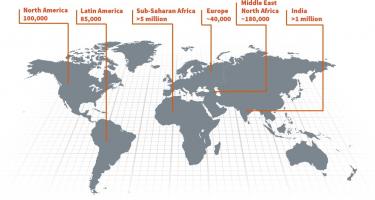
Gene therapy looks promising for sickle cell disease in early trial
A newly developed gene therapy is showing very promising early clinical results for sickle cell disease.