Joint event: The shifting landscape of science communication ethics
A virtual joint event presented by the Science Writers and Communicators of Canada (SWCC) and the National Association of Science Writers (NASW)
Date: Tuesday, June 2, 2026
Start time: 1 p.m. Eastern / 10 a.m. Pacific
SWCC and NASW members: Register here (Free) You will need to use an email address that is associated with your Zoom account.
Non-members: Register here ($15)
Science writers and editors are facing a rapidly shifting professional landscape, shaped by political pressures, evolving industry norms, and the growing influence of artificial intelligence. In this one-hour webinar, panelists representing freelance writing, academia, and journalism will discuss how science communicators can approach their work ethically in a time of change. Topics will include maintaining clear boundaries and editorial independence; using case studies and ethical frameworks to think through questions of accuracy, transparency, and professional responsibility; and developing individualized conflict-of-interest statements. The goal is to help science writing professionals make thoughtful, responsible choices in their day-to-day work.
Registration is free and open to all SWCC and NASW members; a $15 fee is required for non-members. A recording will be available to members.
Moderator:
National Association of Science Writers
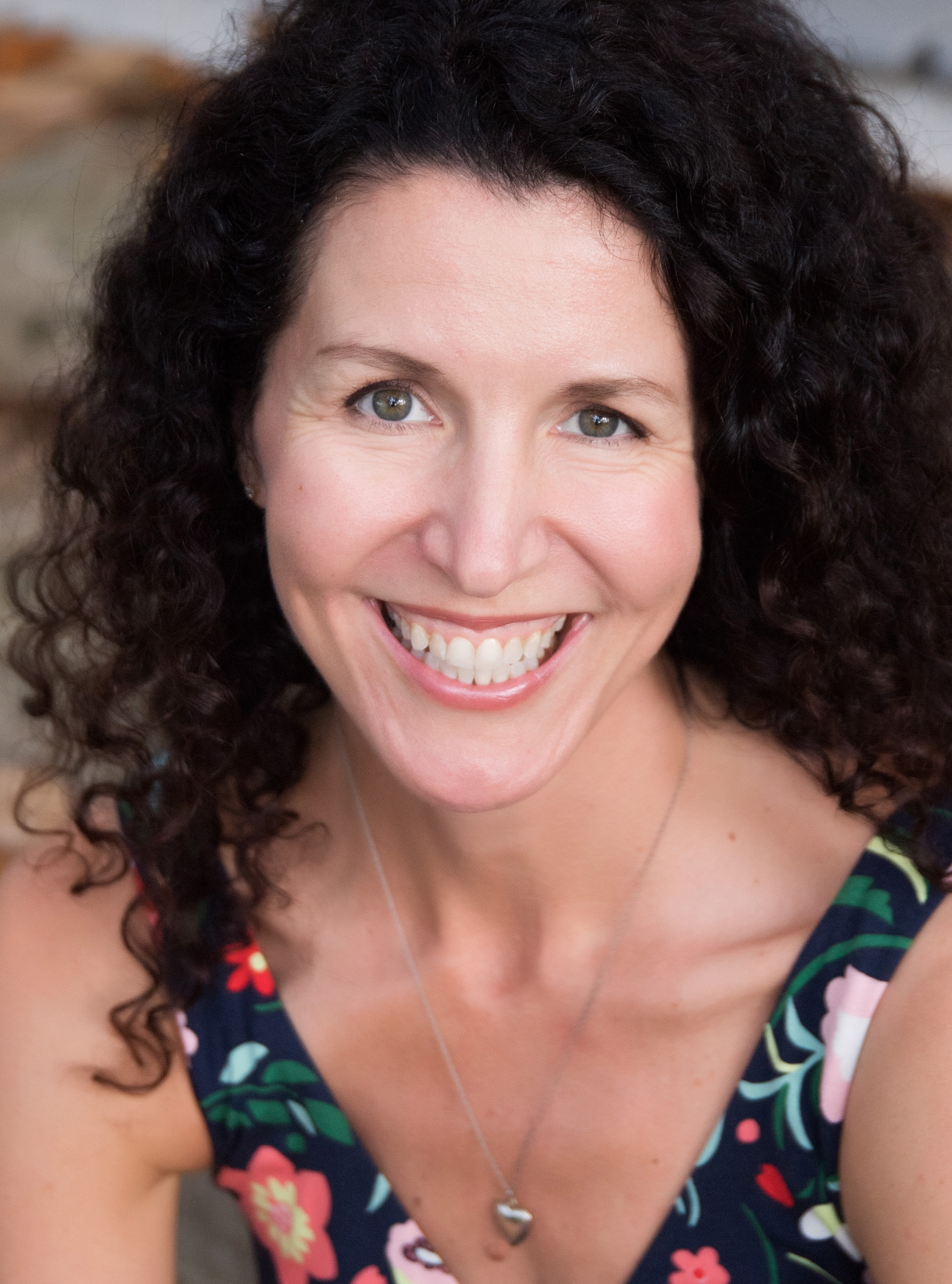
Marla Broadfoot is a freelance science writer and editor based in Wendell, N.C. Her work has appeared in Scientific American, Knowable, Nature, Science, STAT, Popular Science, and Discover, among others. She is a board member of the National Association of Science Writers, a contributing editor at American Scientist magazine, and an alum of the Rosalynn Carter Mental Health Journalism Fellowship. Before shifting to science writing,, she earned a Ph.D. in genetics and molecular biology from the University of North Carolina at Chapel Hill.
Invited speakers:
MIT Knight Science Journalism Program & Undark Magazine
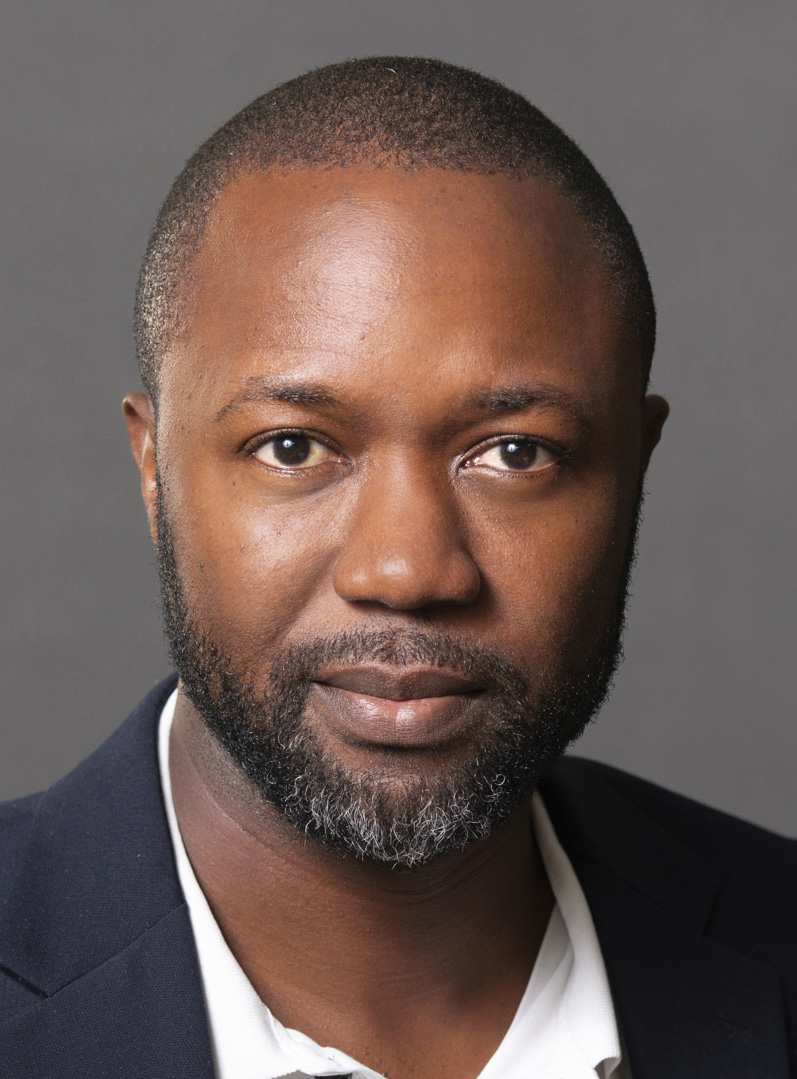
Ashley Smart is the Associate Director of the Knight Science Journalism Program at MIT and a senior editor at Undark magazine, where he co-led the magazine’s award-winning “Long Division” project. He is also co-editor of the book “A Tactical Guide to Science Journalism: Lessons From the Frontlines.” Before joining KSJ and Undark in 2018, Smart spent eight years as an editor and reporter at Physics Today. He was a 2015-16 Knight Science Journalism Fellow and now serves on the advisory boards of The Open Notebook and the Council for the Advancement of Science Writing.
Concordia University
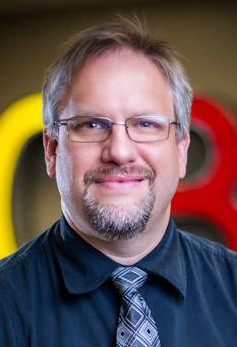
David M. Secko Ph.D. is a professor in the Department of Journalism at Concordia University (Canada) and a researcher focused on the future of science journalism. A former science journalist, he has written for The Scientist, The Tyee, the Canadian Medical Association Journal, and PLoS. At Concordia, he leads the Concordia Science Journalism Project and the Projected Futures summer program, which explores experimental approaches to science journalism and new forms of scientific storytelling. Secko trained both as a molecular biologist and as a science journalist at the University of British Columbia.
Podcast producer
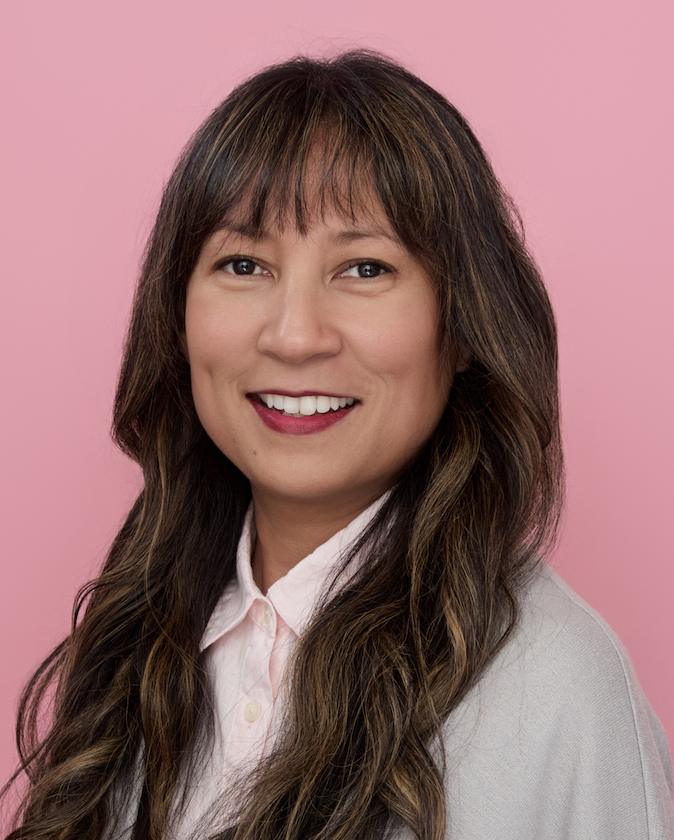
Farha Akhtar is a former CBC Radio Producer with the award winning show The Current in Toronto, Canada. Her work includes producing three seasons of the chart-topping What about Water? with Jay Famiglietti, which at its peak was ranked one of Apple's top five Earth Science podcasts. While working for Pacific Content, she was the writer of the Morgan Stanley’s Institute for Sustainable Investing podcast: At Scale, recipient of a 2022 Gramercy Institutes Multi Country Award for Creative Execution. She also served as writer for the podcast Targeting the Toughest Diseases. Farha is a recipient of a 2022 Diversity Fellowship from the Society of Environmental Journalists (SEJ), and a 2022 fellowship from the Institute for Journalism and Natural Resources (IJNR). Her 2023 audio documentary, "Submerged"—which traces the impact of mega-hydro projects on Indigenous communities—has been featured by Decolonizing Water as well as by the Society of Environmental Journalists.
About NASW
Founded in 1934 with a mission to fight for the free flow of science news, NASW is an organization of 2,060 professional journalists, authors, editors, producers, public information officers, students and people who write and produce material intended to inform the public about science, health, engineering, and technology. To learn more, visit www.nasw.org and follow NASW on LinkedIn and Bluesky.
About SWCC
Founded in 1970, the Science Writers & Communicators of Canada (SWCC) is a national non-profit professional association. Our members are writers, journalists, educators, and communicators, united by a passion for making science and technology accessible to all. We work to foster quality science communication that counters misinformation and informs decision making. To learn more, visit sciencewriters.ca.
ADVERTISEMENT