

NASW Virtual Internship Fair 2021 Recruiters
Here are the internship providers who will be participating in the NASW Virtual Internship Fair 2021
Here are the internship providers who will be participating in the NASW Virtual Internship Fair 2021

NASW student members looking for great internships or one-on-one conversation with editors, or news and science organizations looking for top interns or the chance to meet up-and-coming science journalists should plan to attend the 2021 NASW Internship Fair.

The National Association of Science Writers (NASW) is sponsoring virtual student programming to coincide with the AAAS 2021 annual meeting.

Five projects aimed at fostering diversity in science writing and helping science writers navigate complex data on the pandemic were selected to receive Peggy Girshman Idea Grants.

At the onset of the COVID-19 pandemic, a small team sought to track the virus’ spread across the United States by documenting testing rates. Since April, The COVID Tracking Project has grown to hundreds of volunteers that compile state-level COVID-19 data trends each day.
Dec. 21, 2020

When a publication folds and writers get ghosted on payment for their work, NASW’s Grievance Partnership with the National Writers Union (NWU) can help.
Nov. 18, 2020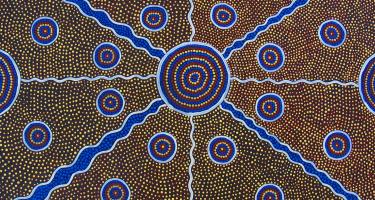
Science, much like history, is rooted in colonialism. To reckon with this, Indigenous scientists and science writers are calling on non-native science writers to amplify Indigenous voices and decolonize science.
Nov. 13, 2020