Presenting the 2022-24 NASW board of directors
The National Association of Science Writers announces the results of its 2022 elections and the newly elected officers and members of its executive board.
Oct. 5, 2022
The National Association of Science Writers announces the results of its 2022 elections and the newly elected officers and members of its executive board.
Oct. 5, 2022
The National Association of Science Writers and its Awards Committee are pleased to announce the winners of the 2022 Science in Society Journalism Awards.
Sep. 29, 2022
The National Association of Science Writers and its Awards Committee are pleased to announce the winners of the 2022 Excellence in Institutional Writing Awards.
Sep. 29, 2022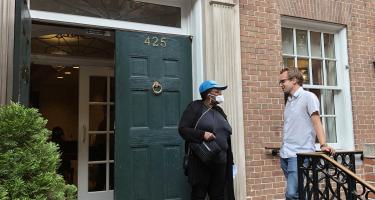
Our 2021 Diversity Reporting Grant recipients reflect on their successes, lessons, and hopes from the journalistic endeavors they each pursued with NASW support.
Sep. 19, 2022
NASW Members: We invite you to a special Member Meeting on Thursday, September 15 at 2 PM ET on Zoom. This virtual gathering will be a chance for everyone to meet our board candidates and toast our retiring board members — as well as an opportunity for networking and catching up with one another. We hope to see you there!
Aug. 16, 2022
Each year NASW offers a number of travel grants to help colleagues in need attend our ScienceWriters conference and other professional development opportunities. This year we are supporting needs for both virtual and in-person attendees. In addition, our colleagues and friends at the Council for Advancement of Science Writing are offering travel grants.
Jul. 28, 2022
Vaccination and masking requirements for attending the Memphis portion of ScienceWriters2022 are now available online.
Jul. 27, 2022