
Freelancing 101: Plan your own internship
It's tempting to get all dreamy about what an amazing freelance internship might look like. By all means, dream. But then prepare to face the reality of financial uncertainty.
It's tempting to get all dreamy about what an amazing freelance internship might look like. By all means, dream. But then prepare to face the reality of financial uncertainty.

Some people pine for the open road that freelancing offers. Others see it as a dreaded last resort after a layoff or a move for a partner's job. Is bliss right around the corner?
A baby was cured, probably, of HIV infection. But this excellent event is probably not world-changing, despite the hype. Will HIV evolve to become less harmful, like feline immunodeficiency virus? TODAY, live-streaming of an all-day meeting on cloning extinct organisms: Wooly mammoth, passenger pigeon, American chestnut. Please sign the petition against Daylight Saving Time. A new roundup at Cocktail Party Physics. SciO13 videos online!
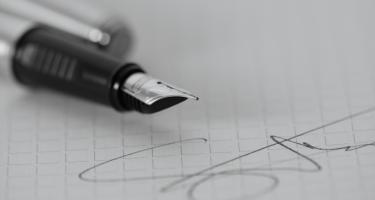
One of the biggest mistakes a freelancer can make has nothing to do with pitching or interviewing or how to structure a story. It has nothing at all to do with the actual craft of journalism. It involves the contract.
A group of 40 Argentine writers, aligned through the nonprofit Argentine Science Journalism Network (RADCAP), have pooled their resources, time, and considerable talents to produce the first-ever anthology of “the best science articles” published in national and regional media during the past year.
A university is a great place to work. Universities can be frustrating places to work.
Steven Brill goes through hospital bills and finds greed. Is this the beginning of the beginning of the end of the current US health care system? The New York Times abandons its Green Blog and the Washington Post makes changes in its environmental coverage too. There's general agreement that this bodes ill. German physicists, American physicists, and the atom bomb.
Dan Fagin explores the tragic impact of toxic industrial pollution on residents of a small New Jersey seaside town. A prize-winning environmental journalist, Fagin directs the New York University Science, Health and Environmental Reporting Program. "The reporting took longer than I ever imagined it could," Fagin writes, "requiring nearly 200 interviews plus extensive historical research and lots of Freedom of Information requests."
So, what is the Brain Activity Map? Herewith, some speculations and even possible answers. The emphasis seems to be on neuroscience technology that can monitor large groups of neurons simultaneously. Also: Download the Universe's birthday, more on Obamacare, the Mediterranean diet, and, best of all, free online MIT bio course taught by Eric Lander & Co..