
Student coverage of the AAAS 2024 Annual Meeting
NASW's Education Committee paired students with professional science writers for a mentorship program held during the 2024 AAAS Annual Meeting in Denver, Colo.
NASW's Education Committee paired students with professional science writers for a mentorship program held during the 2024 AAAS Annual Meeting in Denver, Colo.
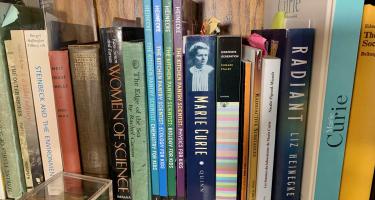
Jocelyn Bell Burnell discovered pulsars, but the 1974 Nobel Prize for Physics went to her male academic advisor—not a unique story. In She Can STEM: 50 Trailblazing Women in Science from Ancient History to Today, Liz Lee Heinecke chronicles 50 women scientists’ successes and struggles. Each account includes a guide to help readers ages 7-12 conduct topic-related experiments of their own at home.
The National Association of Science Writers (NASW) Board of Directors lends support to the National Writers Union comments to the U.S. Copyright Office.
Feb. 27, 2024
Scientists note that inclusive science doesn’t just mean diversifying the workforce. It also means producing inclusive outcomes.
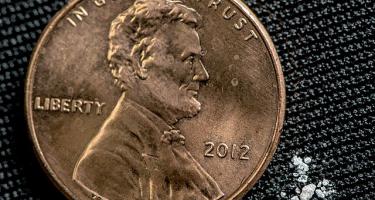
During a Feb. 17 session on fentanyl at the American Association for the Advancement of Science annual meeting, speakers advanced a controversial proposal to declare fentanyl a “weapon of mass destruction,” at times making assertions unsupported by evidence.
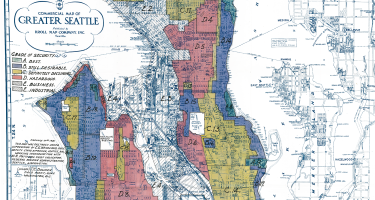
Researchers from across the U.S. are making climate justice an integral part of higher education, in environmental courses and beyond.
Leveraging science for diplomatic purposes, as opposed to using diplomacy to promote science, could pose risks to scientific integrity and objectivity.
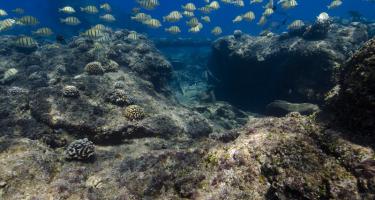
At the AAAS annual meeting, researchers discuss the environmental impacts of ocean based carbon-capture technologies, which may help mitigate climate change.
