
ScienceWriters2023: Fresh Faces Virtual Networking Social
This latest NASW Virtual Networking Social is brought to you by the NASW Programs Committee.
This latest NASW Virtual Networking Social is brought to you by the NASW Programs Committee.
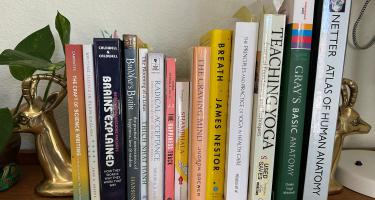
How effective are yoga and meditation in reducing stress? What benefits can they offer people with multiple sclerosis, stroke, pain, and other medical conditions? In The Neuroscience of Yoga and Meditation, Brittany Fair explains findings and limitations of scientific research on these topics. She also illustrates different poses and provides text for self-guided meditative practices.

A list of nearly 200 books and online resources from Lynne Lamberg, NASW book editor.
The National Association of Science Writers (NASW) Board of Directors co-signed a letter led by the Freedom of the Press Foundation to the Judicial Conference of the United States.
The National Association of Science Writers extends its condolences to our colleagues at WFSJ on the recent and sudden passing of past WFSJ president Mohammed Yahia.
The National Association of Science Writers thanks the following NASW member volunteers who served as mentors and editors for our 2023 Perlman Virtual Mentoring Program.
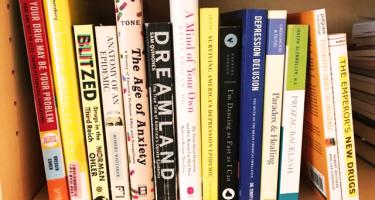
If one medication for an illness doesn’t help, maybe adding another will. That philosophy has prompted simultaneous use of multiple prescribed medications for one or more disorders by millions of Americans. In Crash: A Memoir of Overmedication and Recovery, Ann Bracken explores the adverse impact of polypharmacy on her migraines and depression and describes her self-directed path to recovery.
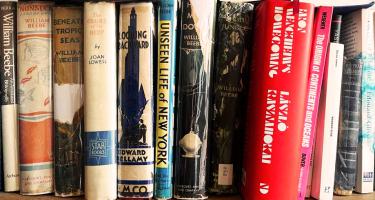
Bioluminescent fish like “stars gone mad.” A “marine monster,” 20 ft long, with no eyes or fins. In the 1930s, William Beebe documented never-seen-before ocean life from his bathysphere, a submersible steel ball with oxygen tanks and 8” windows that allowed him to explore ½ mile below the surface. In The Bathysphere Book: Effects of the Luminous Ocean Depths, Brad Fox chronicles Beebe’s life and times.