
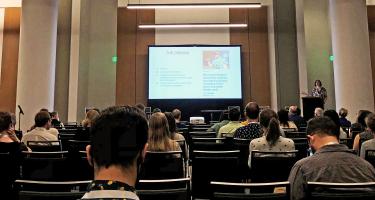
Beyond the debunk: how science journalists can report on misinformation
SciWri22 travel grantee Andrew Meissen reports on the "Beyond Fake News: Reporting on Misinformation" NASW workshop session in Memphis organized by Kat Eschner.
SciWri22 travel grantee Andrew Meissen reports on the "Beyond Fake News: Reporting on Misinformation" NASW workshop session in Memphis organized by Kat Eschner.

The NASW Education Committee presents this year's Virtual Internship Fair ahead of the 2023 AAAS Annual Meeting.
Links to 2022 editions of the NASW Desk Notes Newsletter.
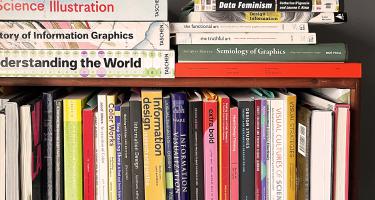
Would charts and other visuals enhance your articles, press releases, blog, social media posts, book, and talks? Learn DIY tactics from Jen Christiansen’s book, Building Science Graphics: An Illustrated Guide to Communicating Science through Diagrams and Visualizations. Christiansen includes worksheets and case studies to help journalists, editors, students, and teachers improve their messaging.
Funding from the National Association of Science Writers is supporting freelance journalists in their coverage of underreported issues affecting U.S. communities.
The annual NASW membership meeting was held on November 9, 2022 via Zoom. 52 members, including 12 board members and 2 staff, attended.
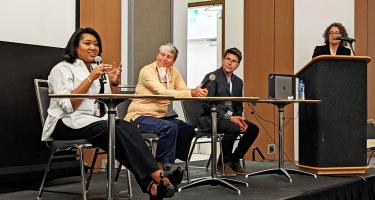
SciWri22 travel grantee Daniel Erenstein reports on the "Pump Up the Podcast: Adding Audio to Your Newsroom or Workflow" NASW workshop session in Memphis organized by Sarah Webb and Stephen Ornes.