Desk Notes Newsletter, October 21, 2020
Inside the October, 2020 edition: Welcome #SciWri20 attendees, Diversity Reporting Grant recipients, catch up on our COVID-19 Science & Coverage series, meet a new member, & more.
Alyssa Gonzalez, a science writer for Vancouver-based science communications firm Talk Science to Me and a new addition to the NASW community, shares #WhySciWri in this short Q&A.
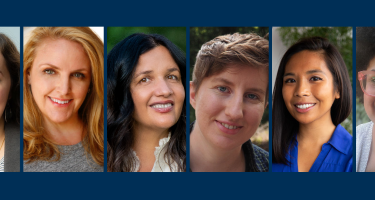
Congratulations to Chandra Bozelko, Ambika Chawla, Jesse Kathan, Ciara Reyes-Ton, and reporting duo Elora Apantaku and Charmaine Runes, on being selected as recipients of NASW’s new Diversity Reporting Grants.
“We need more detergent,” I told my husband. “I can help you with that,” my phone offered, unasked. I wasn’t aware it was eavesdropping. For the first time in history, humans can interact verbally with non-human entities, says Christoph Droesser. Are these genuine conversations? Droesser explores this question in When Things Talk to Us: Voice Assistants, Computers as Authors and Social Bots.
In today’s cluttered, digital-first media environment, the pressure to break news fast leaves little time for many reporters to do deep dives and big picture stories on the COVID-19 pandemic. Three science writers with very different approaches to grappling with this issue shared insights into their reporting tactics in an October 7 webinar organized by NASW Program Committee volunteers Jill Adams, Eli Kintisch, Cassandra Willyard, and Siri Carpenter.
Until the mid-20th century, boys often wore pink, & girls, blue. Mamie Eisenhower's love for pink in the 1950s reinforced its use for girls. Some girls & boys reject gender stereotypes—colors, toys, clothes, activities, & behaviors—Lisa Selin Davis reports in Tomboy: The Surprising History and Future of Girls Who Dare To Be Different. They typically become well-rounded, self-confident adults.